Supporting Indigenous Education for All
K-12 Educator Resources
Indigenous Education
The Minnesota Humanities Center (MHC) works to ensure all Minnesota students have access to accurate, respectful, and meaningful learning about Indigenous histories, cultures, and contemporary lives.
We collaborate with Tribal Nations, educators, and national partners to integrate Native perspectives into classrooms year-round—not only when state standards require it. Our work happens at both:
The national level through the Native Education for All (NEFA) movement led by the National Indian Education Association (NIEA)
The state level through Minnesota’s Indigenous Education for All (IEFA) legislation
Questions?
Indigenous Education for All (IEFA) – Minnesota
Established in 2023, IEFA ensures all K–12 students in Minnesota learn about the state’s eleven Tribal Nations—their histories, languages, cultures, governance, sovereignty, treaty rights, socioeconomic experiences, and contemporary lives.
While the Minnesota Department of Education (MDE) leads statewide implementation, each of us plays a role in making IEFA a reality—from educators embedding Native perspectives in their classrooms to organizations and communities supporting accurate and respectful learning.
We work with school districts to ensure Native voices, histories, and perspectives are present throughout the school year, not just when standards require it—while honoring each Tribal Nation’s sovereignty in deciding which histories and teachings are shared in K–12 schools.
MHC’s IEFA Priorities
Supporting implementation of IEFA tribally endorsed resources
Partnering with MDE’s IEFA and Academic Standards teams to integrate endorsed materials into humanities content areas such as social studies and English language arts.
Preparing the ground for future IEFA resources
Creating and promoting resources developed in partnership with Tribal Nations and Native knowledge keepers—such as Why Treaties Matter, Bdote Memory Map, and Native American Lives—to equip educators with the knowledge and cultural understanding needed to embed future IEFA resources with accuracy and care.
Native Education for All (NEFA) – National
NEFA is a national movement to ensure all K–12 students in the United States learn about American Indian, Alaska Native, and Native Hawaiian peoples—their histories, cultures, governance, sovereignty, and contemporary lives.
Led by the National Indian Education Association (NIEA), NEFA is often codified in state law and works to strengthen Tribal–state partnerships, support culturally responsive teaching, and ensure all students understand Indigenous contributions and sovereignty. Several states—including Montana, Oregon, and Washington—have enacted NEFA legislation, and NIEA is working to expand this framework nationwide.
Through our work in both IEFA and NEFA, MHC helps ensure Minnesota’s approach reflects its unique Tribal Nations while contributing to a broader national movement for Indigenous education.
MHC’s NEFA Priorities
Connecting Minnesota to the national movement
Partnering with NIEA to share resources, model best practices, and align Minnesota’s IEFA efforts with broader NEFA goals.
Expanding Indigenous education impact
Building bridges between state-specific initiatives and national frameworks to strengthen learning opportunities for students and educators in Minnesota and beyond.


MHC resources developed in collaboration with Tribal Nations and Indigenous community members.
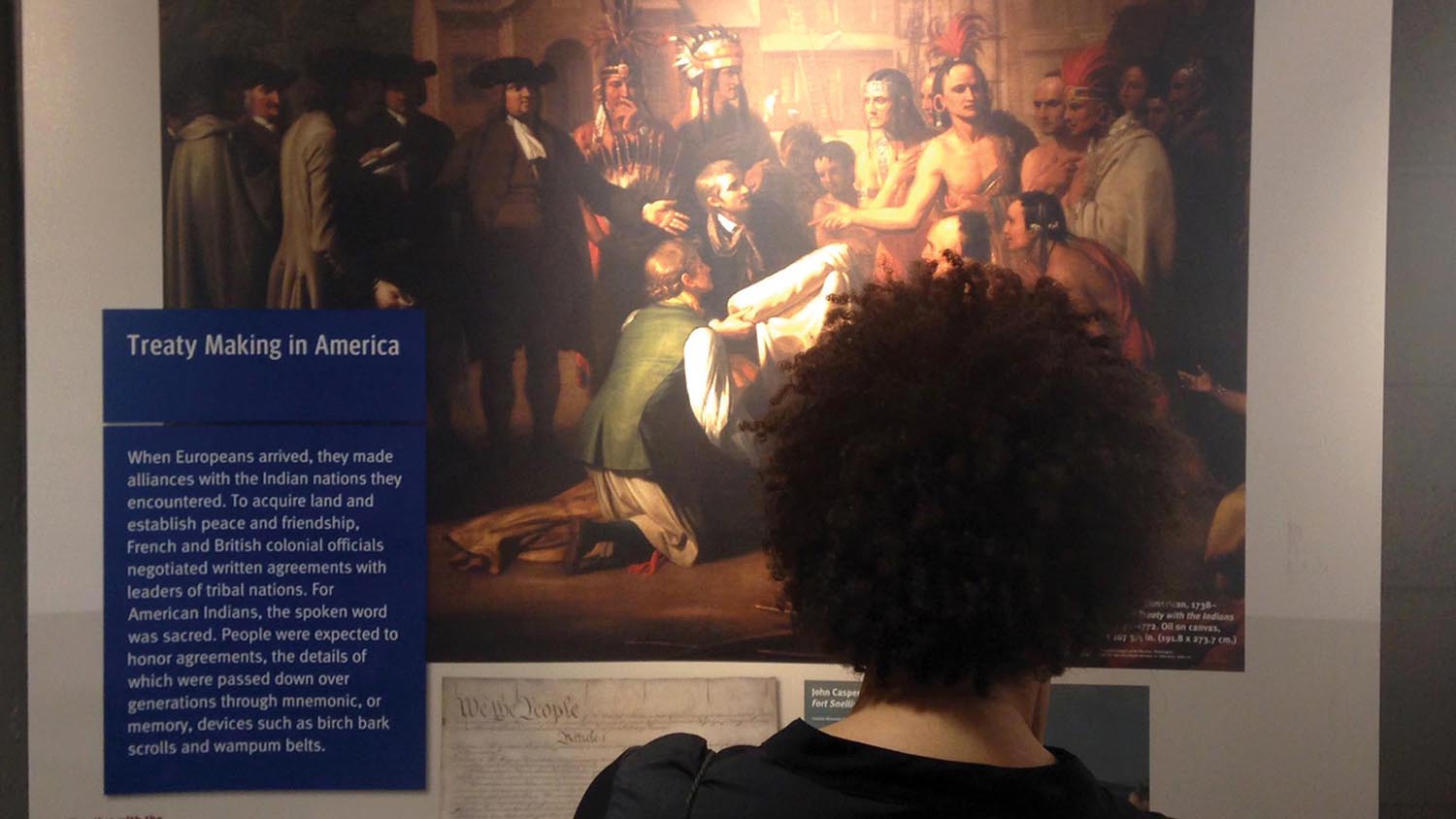
Why Treaties Matter
A virtual version of the traveling exhibit and related educator guides.
Bdote Memory Map
A geography-based, digital media resource for Dakota people to express connections to traditional places and to help non-Native citizens see Minnesota from an indigenous point of view.
Bdote Resources
Resources developed by MHC and scholars for educators who have, or are interested, in participating in a Learning from Place: Bdote offering.
Native American Lives Series
A series of books that highlights the lives of Dakota and Ojibwe leaders while amplifying Native storytelling and representation.
Contemporary Dakota and Ojibwe Authors Series
Dakota and Ojibwe authors authors discuss their writing influences and lived experiences. They also answer questions from students about their writing process and read selections from their works.
Oheyawahe Teacher Guide and Lessons
A Teacher Guide and Supplementary Lessons for Learning about Mnísota’s First People.
Considerations for Selecting and Assessing American Indian Resources
A framework to respectfully interrogate American Indian resources as you seek to include typically absent(ed) narratives into curriculum, public life, and practice.

Tribally endorsed resources that meet IEFA requirements.
Lower Sioux Community
Caŋṡayapi: Ehaŋna k’a Dehan Past and Present
Caŋṡayapi History Booklet Professional Development
Grand Portage
Rivers of the North Shore
Rivers of the North Shore Professional Development

Resources developed by Indigenous organizations and/or individuals outside of MHC partnerships.
Language Revitalization Resources
Online Dakota and Ojibwe dictionaries and additional resources curated by the Minnesota Indian Affairs Council.
Understand Native Minnesota
A multifaceted strategic initiative and philanthropic campaign focused on Native American narrative change in Minnesota’s schools. This campaign aims to improve public attitudes toward Native Americans by incorporating greater awareness and sensitive treatment of Native Americans, along with accurate information about their history, culture, and modern tribal governments into Minnesota’s K-12 education system.
We Are Still Here MN
An initiative in Minnesota that strengthens the network of people and organizations committed to the Reclaiming Native Truth research and its findings.
Books Are Good Medicine
A podcast exploring books and other K-12 teaching resources on the Native American experience
National Native American Boarding School Healing Coalition
The first and only national organization whose purpose is to advocate on behalf of Native peoples impacted by U.S. Indian boarding school policies.
