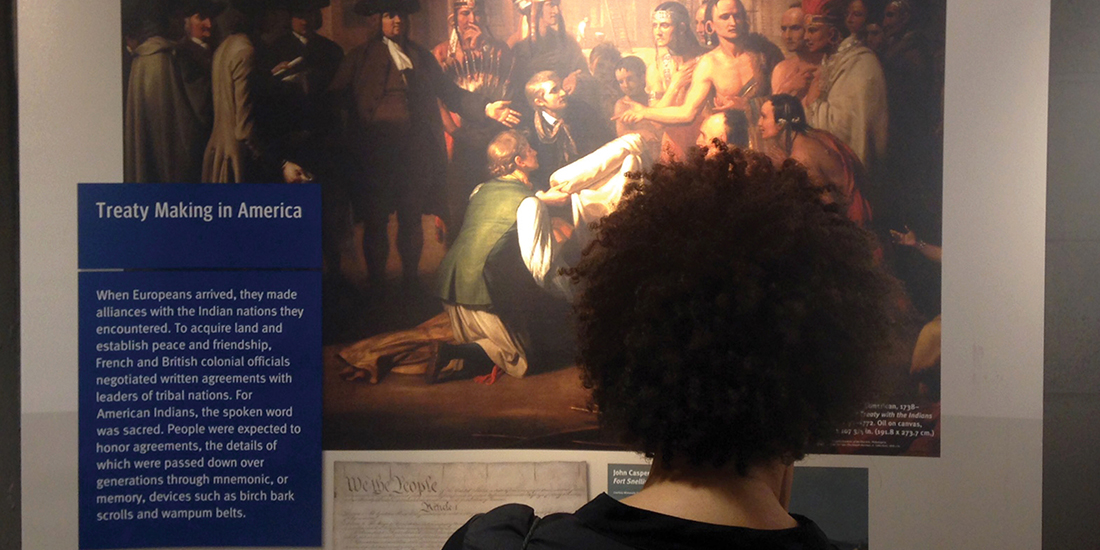
St. Cloud – Why Treaties Matter
"Why Treaties Matter: Self-Government in the Dakota and Ojibwe Nations” explores relationships between Dakota and Ojibwe Indian Nations and the U.S. government in this place we now call Minnesota.
Free

"Why Treaties Matter: Self-Government in the Dakota and Ojibwe Nations” explores relationships between Dakota and Ojibwe Indian Nations and the U.S. government in this place we now call Minnesota.
"Why Treaties Matter: Self-Government in the Dakota and Ojibwe Nations” explores relationships between Dakota and Ojibwe Indian Nations and the U.S. government in this place we now call Minnesota.
"Why Treaties Matter” explores relationships between Dakota and Ojibwe Indian Nations and the U.S. government in the state of Minnesota.
"Why Treaties Matter: Self-Government in the Dakota and Ojibwe Nations” explores relationships between Dakota and Ojibwe Indian Nations and the U.S. government in this place we now call Minnesota.
"Why Treaties Matter: Self-Government in the Dakota and Ojibwe Nations” explores relationships between Dakota and Ojibwe Indian Nations and the U.S. government in this place we now call Minnesota.
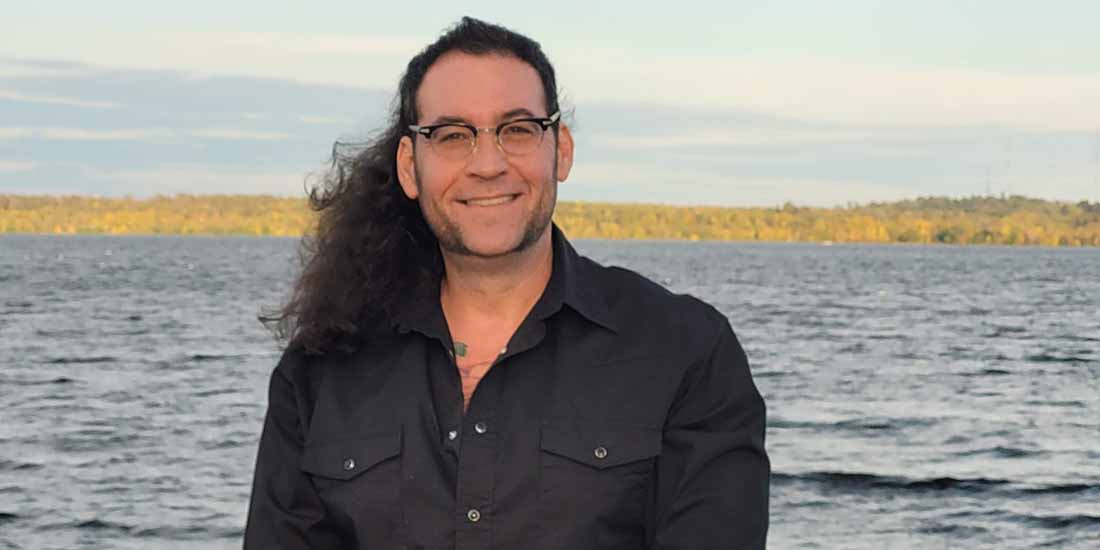
Comparing Native and White perspectives on treaty signing throws into sharp relief the divergent understandings, cultural differences, and foreclosed opportunities that characterized these encounters. This talk foregrounds Indigenous perspectives, specifically those of the Anishinabeg of Minnesota and Quebec, on treaty signing, economic activities, and the seasonal round.
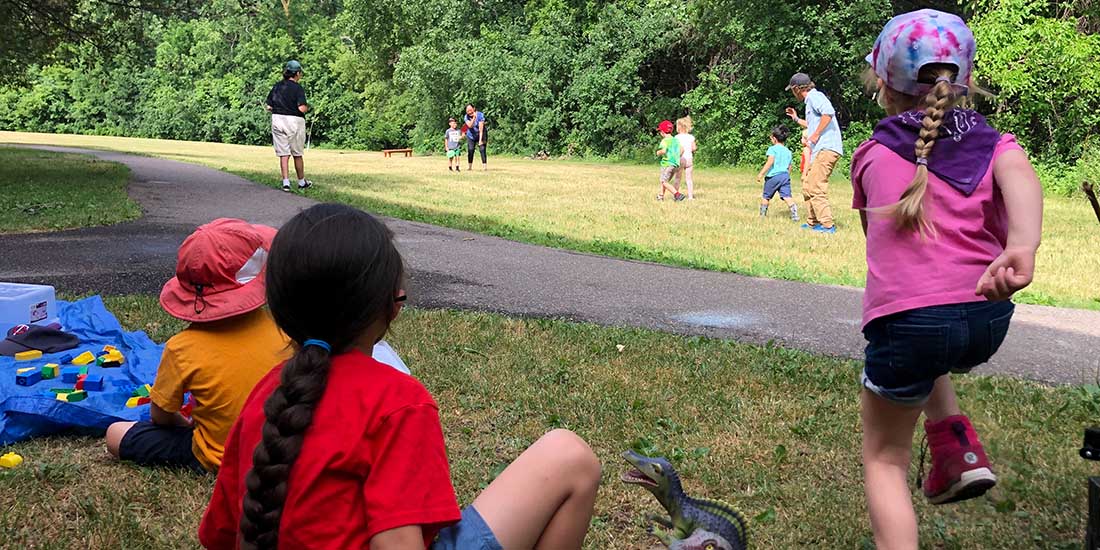
The Minnesota Indian Affairs Council’s Language Revitalization Working Group, partnering with the Minnesota Humanities Center, is hosting a two-day Dakota & Ojibwe Languages Symposium! The goal of the symposium is to bring people working in Dakota & Ojibwe language revitalization together.
"Why Treaties Matter: Self-Government in the Dakota and Ojibwe Nations” explores relationships between Dakota and Ojibwe Indian Nations and the U.S. government in this place we now call Minnesota.
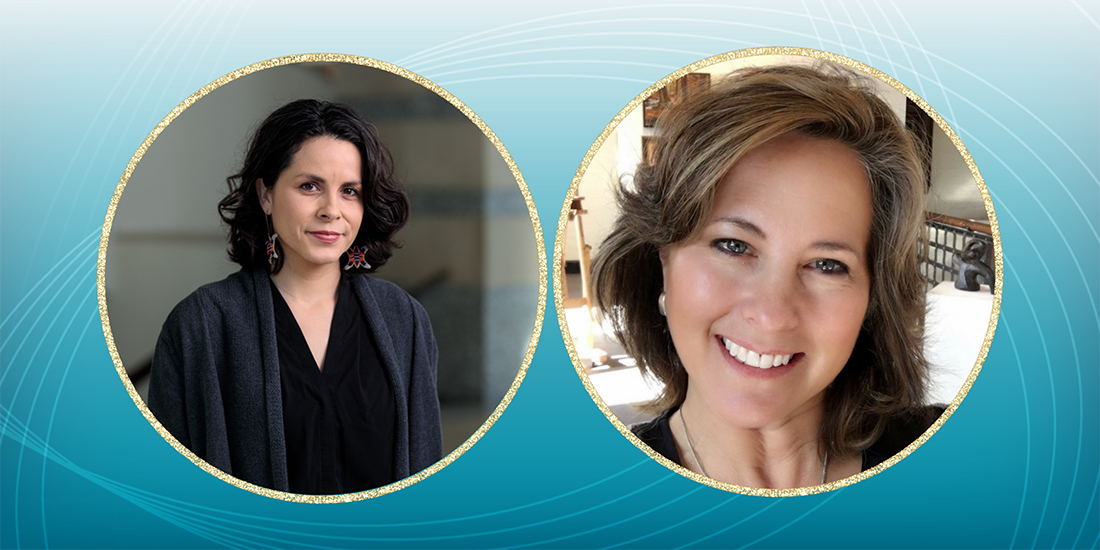
Join Indigenous leaders Christina Woods, Executive Director of the Duluth Art Institute, and Kate Beane, Executive Director of the Minnesota Museum of American Art, who will engage participants in deep dialogue about Indigenous issues related to place and land.